

WhatsApp Marketing Automation in India: Business Guide
Why WhatsApp Is the Most Underused Marketing Channel in India
India has over 500 million active WhatsApp users — more than any other country. Open rates on WhatsApp messages exceed 95%. Reply rates are 3–5x higher than email. And yet most Indian businesses use WhatsApp the way they used SMS in 2008 — manual, one-off, untracked. If you are still on the fence about whether your business needs an automated layer at all, our AI chatbot guide for Indian small businesses is the right place to start.
WhatsApp marketing automation, when done correctly, is the single highest-leverage growth channel available to Indian B2B and D2C businesses in 2025. Done incorrectly, it gets your number banned and your brand reported as spam. This article covers both sides.
WhatsApp Business App vs. WhatsApp Business API: What's the Difference?
Before any automation conversation, understand which WhatsApp you are using:
- WhatsApp Business App: Free, designed for solopreneurs. Limited to one phone, one user. No automation beyond simple auto-replies. Cannot be programmatically integrated with a CRM or chatbot. Works for businesses with under 50 inbound messages a day.
- WhatsApp Business API: Paid, designed for scale. Multiple users on one number. Full programmatic integration with chatbots, CRMs, and automation workflows. Required for any kind of marketing automation. Costs are conversation-based, charged by Meta.
If you are doing anything beyond a single founder replying manually, you need the API. Period.
The 5 Highest-ROI WhatsApp Automation Workflows for Indian Businesses
1. Inbound Lead Qualification (The Most Common Use Case)
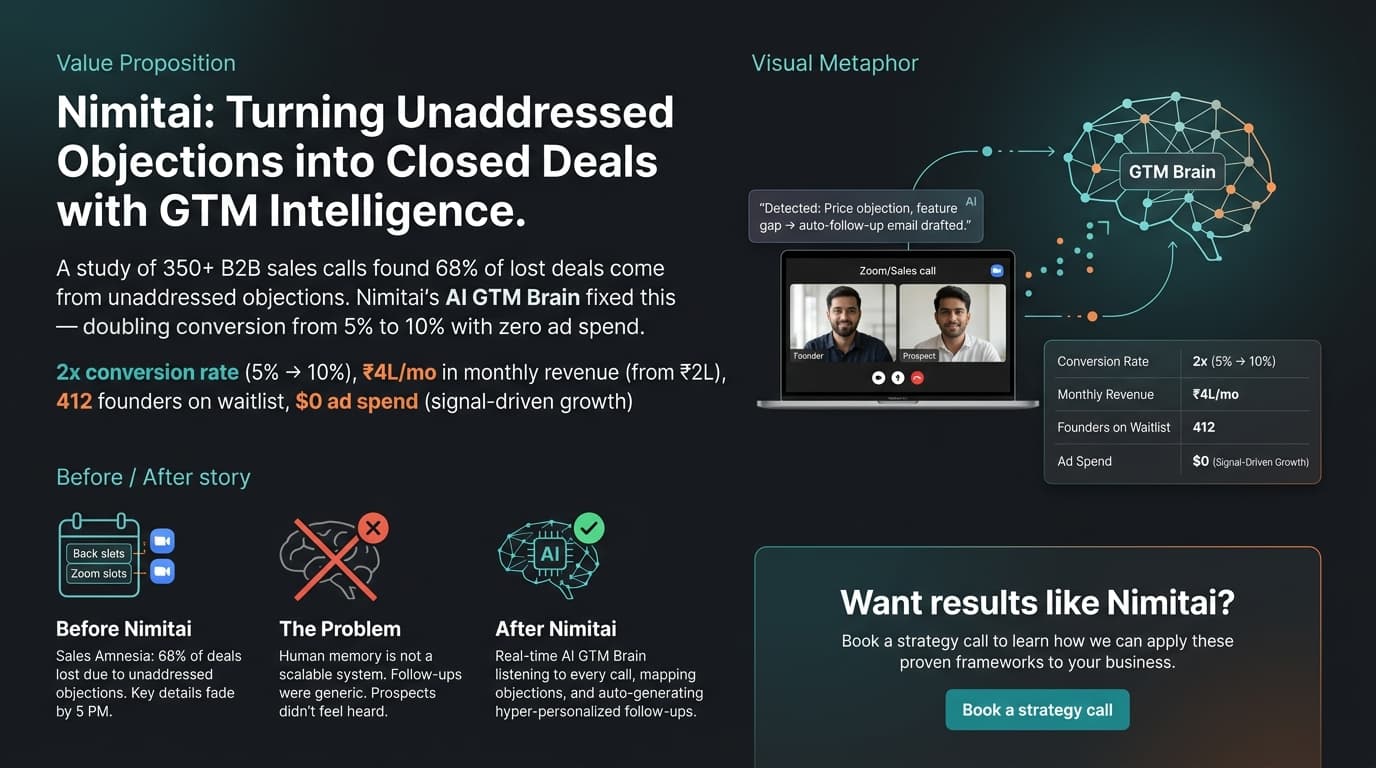
An ad campaign drives someone to your WhatsApp number. Instead of a human responding hours later, an AI chatbot replies in 3 seconds, asks 3 qualifying questions, and routes hot leads directly to a salesperson — with the conversation history pre-loaded in the CRM.
This workflow alone can cut your cost per qualified lead by 40–60%, because every inbound enquiry gets immediate, consistent qualification — no leads dropped because someone was at lunch, no leads passed to sales without context. For the full architecture and an honest pricing breakdown, read our deep dive on how to automate lead generation with AI. We have deployed this stack for clients in real estate, education, and healthcare via our AI chatbot service with consistent results.
2. Appointment Booking and Reminders
For service businesses — clinics, salons, coaching centres, fitness studios — WhatsApp can replace 80% of phone-based booking traffic. The customer messages, the bot shows availability, books the slot, sends confirmation, and sends a reminder 24 hours before.
The reduction in no-shows alone (typically 20–30% improvement) usually pays for the entire automation within the first month. The reduction in receptionist hours is bonus.
3. Order Status and Shipping Updates
For eCommerce brands, sending order confirmation, shipping, and delivery updates via WhatsApp instead of SMS or email increases customer satisfaction dramatically. Open rates go from 20% (email) to 98% (WhatsApp). The customer feels informed rather than ignored.
Critically, this also reduces "where is my order" support tickets by 50–70%, freeing your support team to focus on real issues.
4. Abandoned Cart Recovery
An abandoned cart on your website triggers a WhatsApp message 30 minutes later: "Hi [name], you left these items in your cart — would you like to complete the order?" The customer replies; if they say yes, a payment link is sent.
This is one of the highest-ROI workflows in eCommerce — open rates and conversion rates on WhatsApp cart recovery dramatically outperform email-based recovery campaigns. Indian D2C brands running this workflow consistently see meaningful revenue lift directly attributable to recovered carts.
5. Post-Sale Upsell and Reactivation
30 days after a purchase, a WhatsApp message asks for a review and recommends a complementary product. 90 days after, a reactivation message goes out: "It has been a while — here is 15% off your next order." For subscription businesses, this is your most reliable churn-reduction mechanism.
The compounding effect of these post-sale messages — done consistently across thousands of customers per month — is significant. Most brands forget that the easiest sale is the second sale to an existing customer. Pairing this with a CRM that actually fits an Indian business is what makes the difference between a one-off campaign and a compounding revenue engine.
The Compliance Rules You Must Follow (Or Get Banned)
Meta is strict about WhatsApp Business API usage. The most important rules:
- Opt-in is mandatory: You can only message users who have explicitly opted in via your website, app, a previous conversation, or a clear opt-in flow. Buying WhatsApp lists is illegal and will get your number banned within hours.
- 24-hour service window: After a customer messages you, you have 24 hours to respond freely. After 24 hours, you can only send pre-approved "template messages." This rule shapes how you design every workflow.
- Template approval: Marketing messages (promotions, offers) require Meta approval. Submission takes 1–4 hours typically. Templates that look spammy get rejected — keep them transactional and value-led.
- Opt-out must be honoured: Every message should make it easy to opt out, and opt-outs must be processed immediately. Failure to do this is the #1 reason WhatsApp Business API accounts get suspended.
What Does WhatsApp Marketing Automation Cost in India?
Three cost components to budget for:
- WhatsApp Business API access: Through Meta's authorised Business Solution Providers. Conversation-based pricing applies — utility (transactional) conversations are cheaper than marketing conversations, and rates vary by country.
- Bot/automation platform: ₹3,000–₹15,000/month depending on scale and features. This is the layer that handles flows, integrations, and chatbot logic.
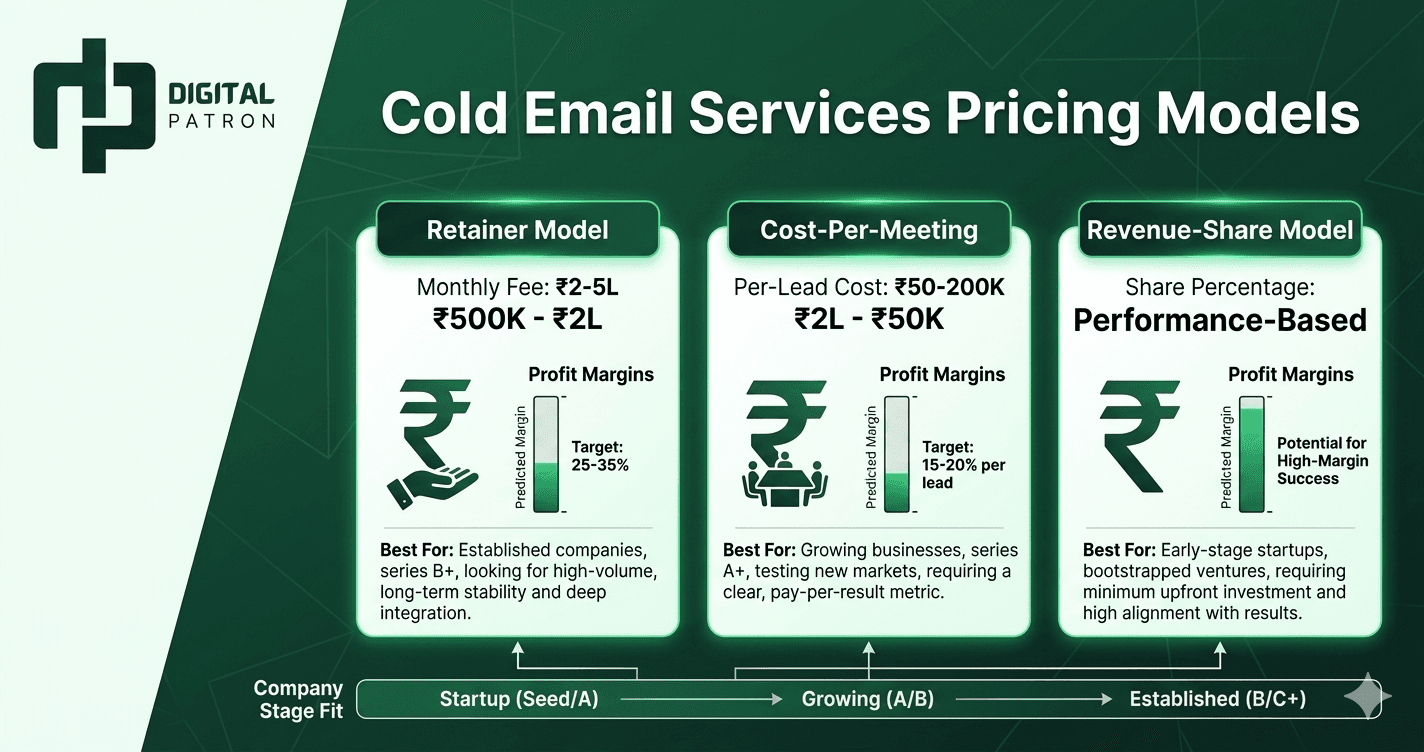
- Setup and ongoing optimisation: ₹40,000–₹2,00,000 one-time setup with an agency, plus ₹5,000–₹15,000/month for management. Or hire in-house — but expect a 6-month learning curve.
For a typical Indian SMB sending 5,000–20,000 WhatsApp conversations per month, total cost is in the range of a single mid-level employee's monthly salary — for a channel that often replaces a 3-person customer support team.
The 3 Mistakes That Kill WhatsApp Campaigns
- 1. Treating WhatsApp like SMS: Sending bulk promotional messages without context. WhatsApp is a conversation channel, not a broadcast channel. Every message should feel personal and earn the next response.
- 2. No human escalation: A bot that cannot detect when a customer is frustrated and route them to a human will damage your brand. Always design escalation paths from day one.
- 3. Skipping the opt-in flow: Importing your contact list and blasting messages will get you banned within 48 hours. Build opt-in into every signup, every form, every pre-chat experience.
FAQ: WhatsApp Marketing Automation India
Is WhatsApp marketing legal in India?
Yes, when done with proper opt-in and via the official WhatsApp Business API. India's DPDPA and Meta's terms both require explicit consent before sending marketing messages. Non-compliant approaches (bulk messaging without consent, scraped lists) are both illegal and rapidly self-defeating — Meta detects and bans them quickly.
Can a small business afford WhatsApp marketing automation?
Yes. A 5–15 employee business can run a complete WhatsApp automation stack — chatbot, CRM integration, marketing flows — for ₹15,000–₹35,000 per month all-in. The ROI typically shows up in month 1 from improved lead response time and reduced support load.
Want to see what a WhatsApp marketing automation system would look like for your Indian business? Book a free 30-minute strategy call with Digital Patron — we will walk through the workflows that would move the needle for your business.