
AI-Driven GTM Strategy for SaaS: Building a Go-to-Market Engine (2026)
What GTM actually is (and why most SaaS companies are flying blind)
Go-To-Market (GTM) strategy is your answer to: "How will customers find and buy this product?" Most SaaS companies don't have one. Instead, they:
- Build a product based on founder intuition
- Launch with a product hunt post
- Pray that customers show up
- Hire a VP Sales when cash is running low
- Wonder why they're not growing 3–5x month-over-month
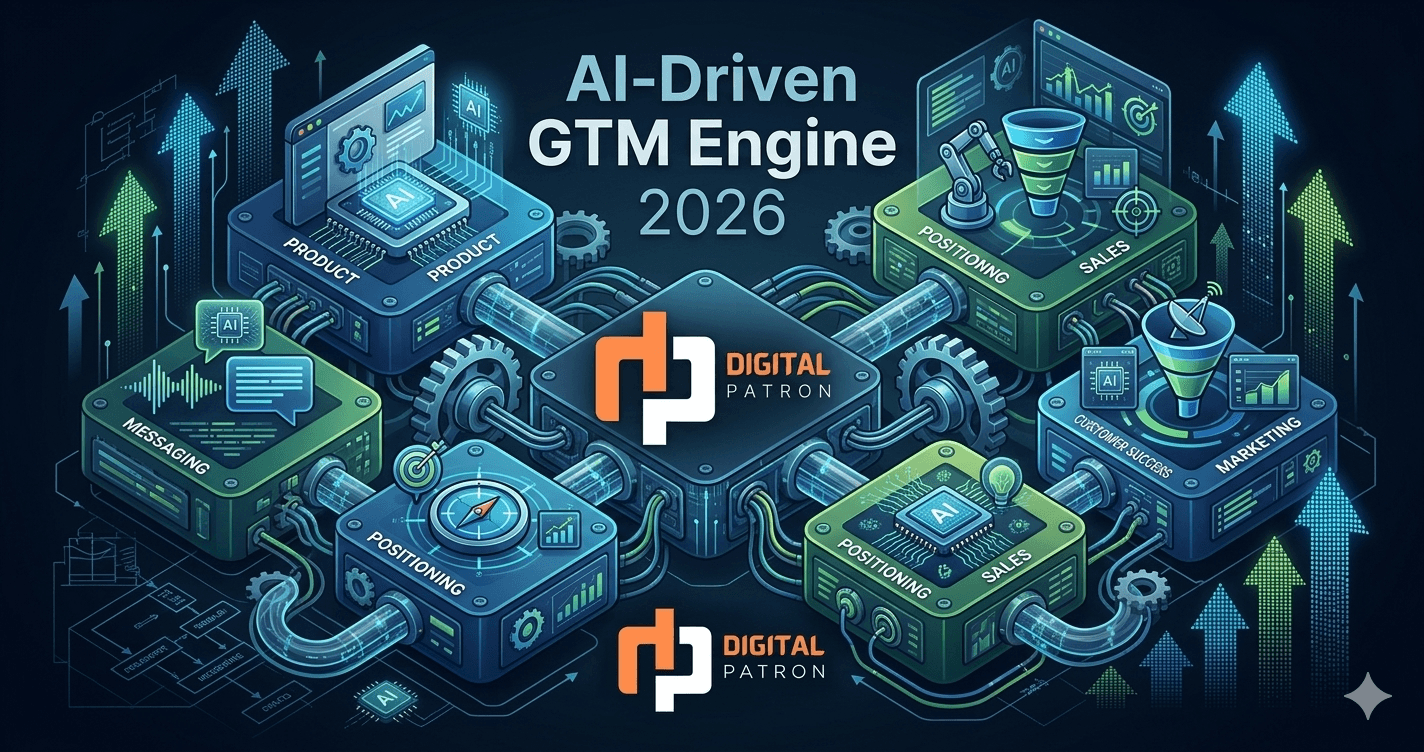
A GTM strategy has six components, each working together:
- Demand generation: How do customers learn about you? (Content, paid ads, community, partnerships)
- Sales motion: How do they buy? (Self-serve, sales-assisted, enterprise sales)
- Positioning: How do you stand out? (Who is the #1 customer? What is their #1 pain point? Why only you?)
- Pricing: How much do they pay? (Freemium, usage-based, seat-based, ROI-based)
- Go-to-market sequencing: What do you do in month 1 vs month 6 vs month 12?
- Metrics: How do you know if it's working? (CAC, LTV, sales cycle, win rate, churn)
The 3-phase GTM roadmap
Phase 0 (Pre-launch, 0–3 months): Validate product-market fit
Goal: Find 10–20 customers who will pay for your product and refer others.
Activities:
- Talk to 50 potential customers (not in a survey; actual conversations). What is their #1 pain? Do they have budget to solve it?
- Build an MVP version (not a full product; minimal viable product).
- Get 10 customers to pay (or commit to paying). They don't all have to pay upfront; some can be "beta for 3 months, then ₹X/month."
- Track: How many customers did you talk to? How many said "this is a problem I have"? How many said "I'd pay for this"? How many actually paid? The conversion rates tell you if you have signal.
Metrics to watch:
- Problem-solution fit: >60% of customers say "this solves our biggest pain"
- Willingness to pay: >40% of customers commit to payment
- Net promoter score (NPS): >30 (customers referring others)
Phase 1 (Launch + 6 months): Establish initial GTM
Goal: Get to ₹5–25L ARR with repeatable process.
Demand generation approach:
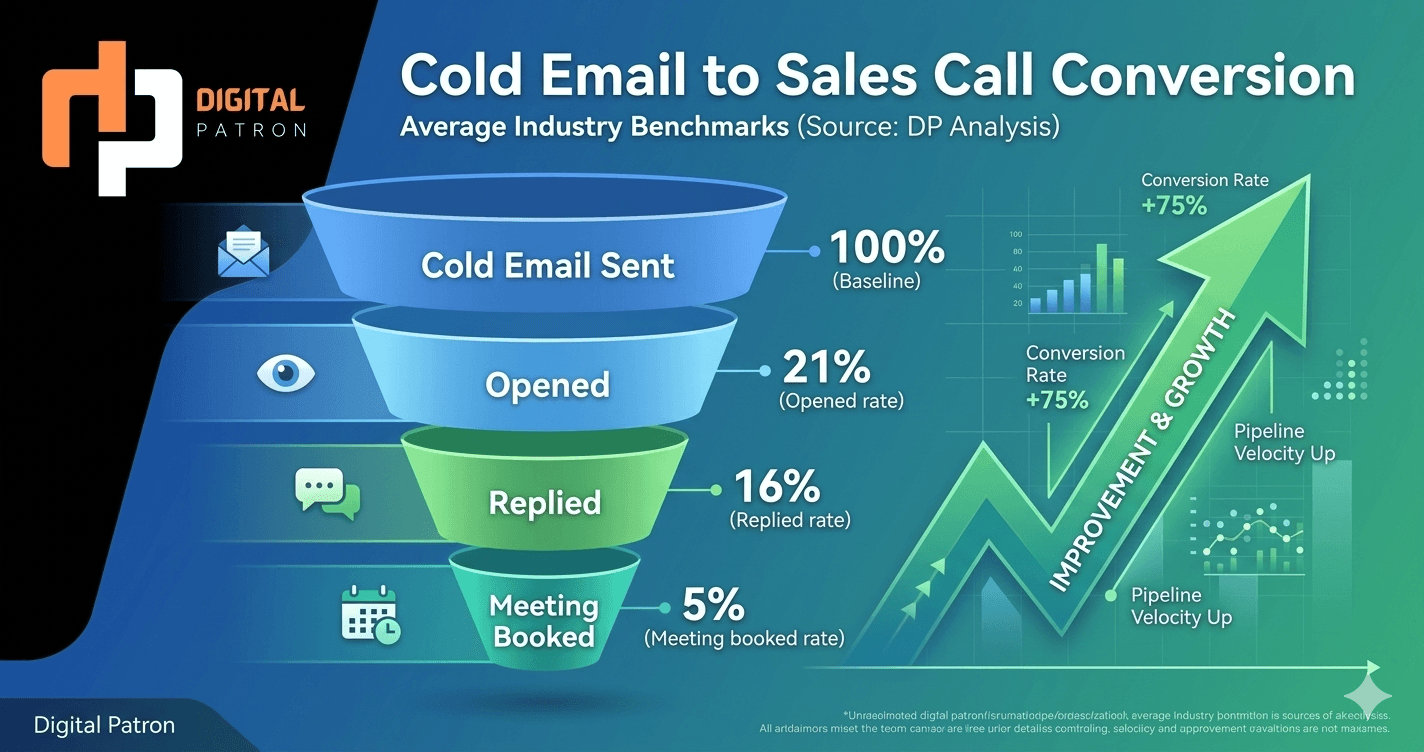
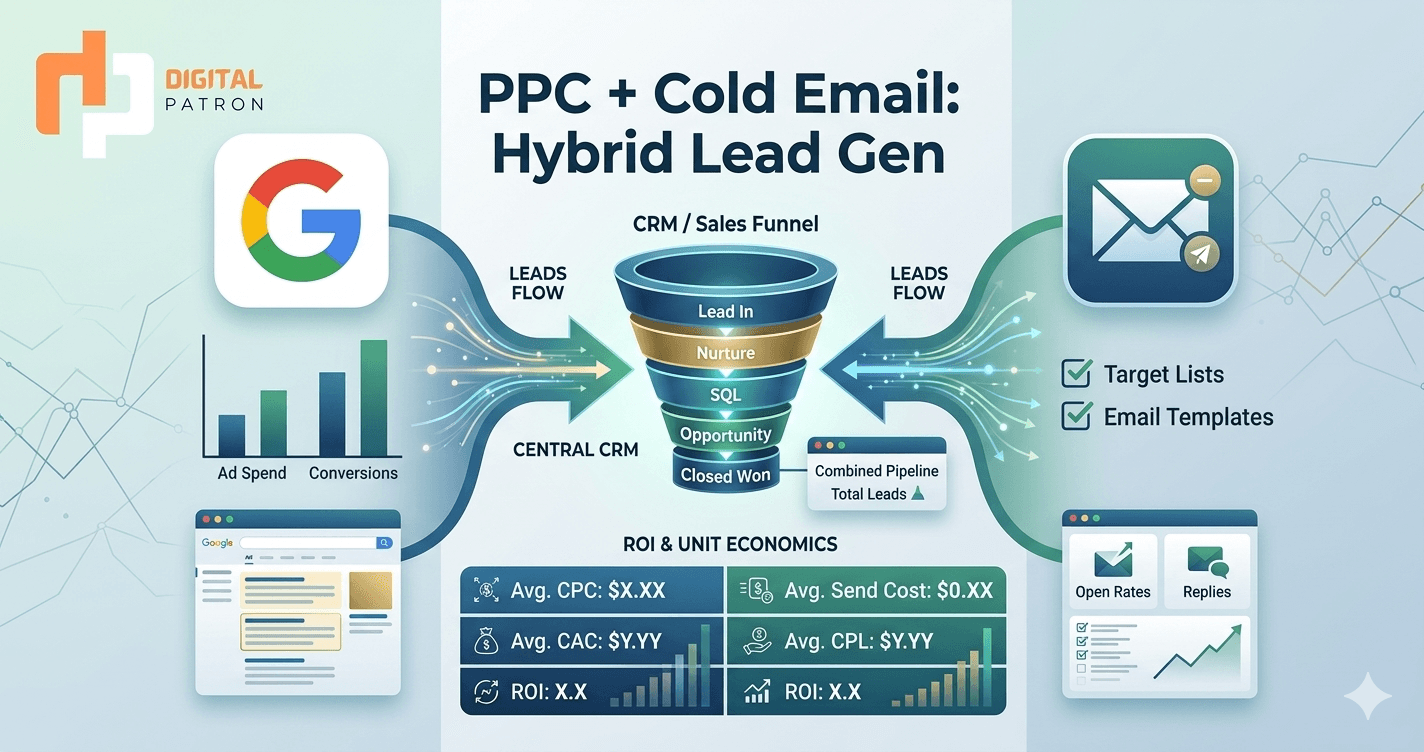
- If you're B2B SaaS: Blog content (1 post/week) targeting high-intent keywords + cold email to ICP + targeted Facebook/LinkedIn ads to warm audiences.
- If you're B2C or growth SaaS: Product hunt, Twitter, community posts, and early-stage user referrals.
- If you're enterprise: Outbound sales to target accounts + industry events + PR.
Sales motion:
- B2B SaaS: Sales-assisted (founder does the selling for the first 20 customers; once you have case studies and confidence, you can hire SDRs).
- B2C/growth: Self-serve with a free tier or trial; optionally, offer "white-glove" onboarding to top 10% of customers.
Pricing:
- Start with 2–3 tier options (starter, growth, pro) or flat pricing + add-ons. Don't overthink it; iterate based on what customers ask for.
Metrics to hit:
- MRR growth: 15–30% month-over-month (if you're winning)
- Customer acquisition cost (CAC): <₹10K (for SaaS you want low CAC at this stage)
- Churn: <5% monthly (customers sticking around)
Phase 2 (6+ months, ₹25L–₹5Cr ARR): Scale the machine
Goal: Build a repeatable, scalable GTM machine.
Demand generation: Invest in the channels that worked in Phase 1. If content + SEO was 40% of Phase 1 revenue, invest in building bigger content assets. If cold email was 30%, hire/outsource to scale outbound. Use AI to:
- Generate content outlines (5x faster writing)
- Personalize outbound at scale (cold email that feels warm)
- Analyze competitor content and identify gaps (where can we win?)
Sales motion: Build a repeatable sales process. Hire sales team (if B2B) or implement more sophisticated self-serve (if B2C). Use AI to:
- Qualify leads automatically (scoring)
- Route leads to the right AE (by account potential)
- Coach reps through objections (recording calls, analyzing, surfacing coaching)
Pricing: Validate if your pricing is leaving money on the table. Experiment with higher tiers. Use AI to:
- Segment customers by WTP (willingness to pay) and show personalized pricing
- Recommend upsells based on usage patterns
Metrics to hit:
- MRR growth: 10–20% month-over-month (compounding; at ₹5Cr ARR, 30% MoM is unrealistic)
- CAC payback: <12 months (you recover your customer acquisition cost within a year)
- LTV/CAC ratio: >3x (your customer lifetime value is at least 3x what you spend to acquire them)
- Churn: <3% monthly (good retention; compounding growth can overcome unit churn)
The AI leverage points (where automation changes the game)
- Demand gen: AI writes blog drafts in 20 min (vs 4 hours for a writer). 52 posts/year vs 12 posts/year = 4x more SEO potential.
- Sales: AI scores leads, routes them, and coaches reps = same sales team closes 2x more deals at 30% shorter sales cycle.
- Pricing: AI recommends personalized pricing based on customer usage = 8–12% higher ARPU (average revenue per user).
- Retention: AI detects churn signals early; can reach out proactively before customer leaves.
The math: If you use AI to 4x content output and 2x sales efficiency, and those both contribute 30% to your growth, you get 1.6x faster growth (roughly 24% MoM instead of 15% MoM). Equivalent to hiring 2 extra marketing people and 1 extra sales rep, but at 1/10th the cost.
The quick-start GTM (do this month)
- ☐ Define your ICP (ideal customer profile): 1–2 sentences. "We serve Series A SaaS companies in the US with ₹2–20Cr ARR, trying to improve sales efficiency."
- ☐ Identify your #1 demand channel: Is it inbound (blog, SEO) or outbound (cold email, SDRs)? Choose one and focus there for the next 6 months.
- ☐ Set price: Don't overthink. Use whatever you think customers will pay + 20%. You can iterate.
- ☐ Build messaging: "We help [ICP] solve [#1 pain] so they can [outcome]." Use this in every communication.
- ☐ Create "case study" from your beta customers: What did they get? What did it cost? What's the ROI? Use this in sales conversations.
- ☐ Set metrics: CAC, LTV, churn, sales cycle length. Measure them weekly. Find bottlenecks.
Want help building your GTM strategy? Book a 60-min GTM audit and planning session. We'll map your product-market fit, identify the best demand channel for your stage, and build a 12-month GTM roadmap.